Sleep, Stress, and Hormones: The Overlooked Trio in Women’s Health
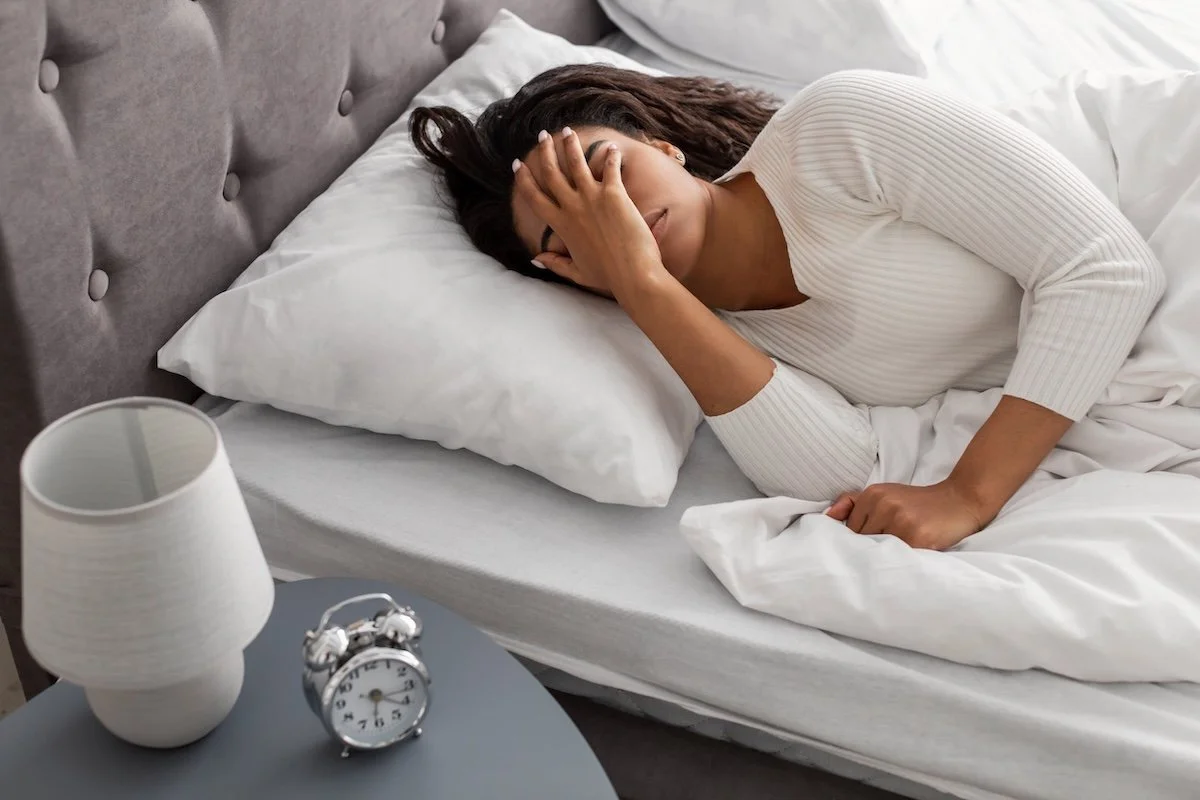
Sleep, stress, and hormones all affect each other—and your health. Discover how Dr. Brooks at Asklia helps women navigate these connections for long-term wellness.
When women think about their health, they often focus on nutrition, exercise, or even managing weight. But three often-overlooked areas—sleep, stress, and hormones—play a huge role in how you feel each day and how your body functions long-term.
At Asklia Concierge & Metabolic Medicine, Dr. Ariel Brooks helps patients understand the interconnectedness of these factors, especially during midlife, when hormonal changes can magnify their effects.
How Sleep Affects Health
Poor sleep doesn’t just make you tired—it disrupts metabolism, mood, and even cardiovascular health. Women going through perimenopause or menopause are especially vulnerable to insomnia and disrupted sleep cycles.
Stress and Hormones: A Two-Way Street
Chronic stress raises cortisol levels, which can worsen weight gain, hot flashes, and anxiety. Hormonal changes in midlife can also heighten stress sensitivity, creating a frustrating cycle.
Why Hormones Are at the Center
Hormones like estrogen, progesterone, and cortisol act as messengers that impact almost every system in the body. When they’re out of balance, women may notice:
Mood changes and brain fog
Sleep disruption
Weight changes and slowed metabolism
Lower energy and resilience
The connection between sleep disruption, cortisol dysregulation, and estrogen decline is something I manage daily in my practice as a Menopause Society Certified Practitioner (MSCP). Fewer than 1,200 physicians in the United States hold this certification. It exists because the hormonal transitions of perimenopause and menopause require a level of clinical specificity that a standard primary care visit — or a referral to an OB/GYN who manages annual exams — does not always provide. What is described in this post is not a set of wellness habits. It is a clinical picture, and it has clinical solutions.
The Asklia Approach
Instead of addressing these issues in isolation, Dr. Brooks looks at the whole picture. Care may include:
Hormone evaluation and treatment options
Lifestyle strategies for sleep hygiene and stress management
Nutrition and metabolic support to restore balance
Personalized follow-up to track changes over time
The Takeaway
Women’s health isn’t just about one symptom or lab result—it’s about how all the pieces fit together. By addressing sleep, stress, and hormones as a connected trio, Dr. Brooks helps women feel more energized, resilient, and in control of their health.