Menopause Is Not “Just Aging”: What’s Really Going On in Your Body
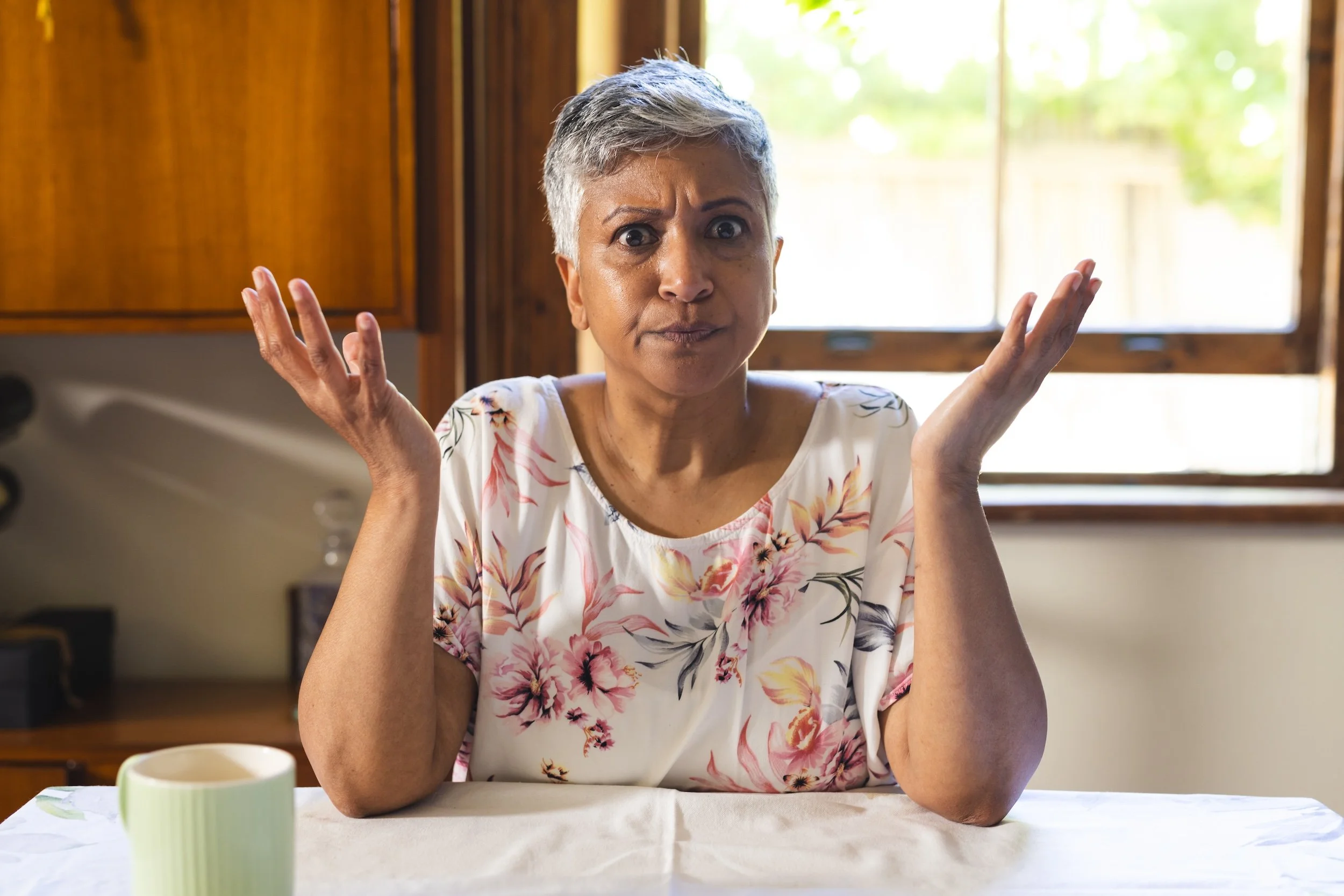
Menopause symptoms aren’t something you have to “just live with.” Discover what’s happening in your body and the treatment options that can help.
Last updated November 2025
If you’ve been told that hot flashes, weight gain, mood swings, or sleepless nights are “just part of getting older,” you’re not alone. Too many women enter midlife only to find their questions brushed aside or their concerns minimized. They’re handed vague reassurance or no answers at all.
The truth is that menopause is not merely a natural part of aging. It’s a profound, biologically driven transition that affects nearly every system in the body. And while it is a normal stage of life, the way it feels is anything but simple.
At Asklia Concierge & Metabolic Medicine in Cave Spring, VA, Dr. Ariel Brooks helps women navigate perimenopause and menopause with the care, time, and expertise this phase deserves. As a Menopause Society Certified Practitioner (MSCP) and an internal medicine and obesity medicine physician, she takes a comprehensive, evidence-based approach to helping women understand what’s happening in their bodies and how to feel like themselves again.
Understanding the Menopause Transition
Menopause marks the end of menstrual cycles and is officially diagnosed after 12 consecutive months without a period. The average age of menopause in the United States is 51. Still, symptoms often begin years earlier in the perimenopausal stage, which can start as early as your late thirties or early forties.
During this time, hormone levels, especially estrogen and progesterone, fluctuate unpredictably. These changes influence not only reproductive function but also metabolism, mood, sleep, brain function, heart health, and bone strength. That’s why menopause symptoms can look and feel so different from person to person.
Some of the most common symptoms include:
Hot flashes and night sweats
Irregular or heavier periods
Fatigue and brain fog
Mood swings or anxiety
Weight gain, particularly around the midsection
Trouble sleeping
Vaginal dryness or pain with intercourse
Changes in libido
Hair thinning or skin dryness
While these symptoms are common, they are not something you simply have to “live with.” Understanding the biology behind them can open the door to effective, personalized solutions.
What’s Really Happening in Your Body
Estrogen and progesterone are far more than reproductive hormones. They influence nearly every tissue in your body, from your brain and bones to your cardiovascular system.
Estrogen, in particular, plays a critical role in regulating metabolism, maintaining bone density, and supporting the elasticity of skin, blood vessels, and the urinary tract. When estrogen levels begin to decline, these systems feel the effects.
That’s why many women experience changes like weight redistribution, increased cholesterol, bone loss, and even shifts in memory or focus. These aren’t signs that your body is failing; they’re signals that your hormonal landscape has changed.
Progesterone also has calming and sleep-promoting effects, so when levels drop, you may notice new irritability, mood swings, or difficulty winding down at night.
The problem isn’t simply that these changes occur; it’s that women often navigate them without adequate guidance or support.
Why So Many Women Feel Dismissed
For decades, menopause has been an under-discussed, under-researched, and often misunderstood topic in medicine. Many physicians receive limited training on menopause care, and as a result, women are left feeling dismissed or told that what they’re experiencing is “just normal aging.”
Dr. Brooks founded Asklia Concierge & Metabolic Medicine to change that narrative. She believes menopause deserves the same level of scientific attention, compassion, and precision as any other medical condition.
As a Menopause Society Certified Practitioner, Dr. Brooks stays up to date on the latest research in hormone therapy, metabolic health, and midlife women’s care. Her concierge model enables her to spend the necessary time listening deeply, evaluating symptoms in context, and developing a treatment plan that’s both evidence-based and individualized.
Treatment Options: Hormonal and Non-Hormonal
There is no single “right” way to manage menopause symptoms, but there are many safe and effective options.
Hormone Therapy
Hormone therapy (sometimes called HRT or MHT) remains the most effective treatment for hot flashes, night sweats, and vaginal dryness. It can also provide protection for bone and heart health when used appropriately. Modern hormone therapy is not the same as what was studied decades ago; newer formulations and delivery methods have improved both safety and customization.
Dr. Brooks works closely with each patient to determine whether hormone therapy is appropriate based on health history, symptom patterns, and goals. For many women, it can dramatically improve the quality of life and restore balance.
Non-Hormonal Treatments
For those who cannot or prefer not to take hormones, there are still many options. These may include:
Prescription non-hormonal medications for hot flashes and sleep support
Targeted nutrition and movement plans for metabolic and weight changes
Vaginal moisturizers and non-hormonal therapies for dryness and discomfort
Cognitive and behavioral tools for managing stress and mood changes
Dr. Brooks often integrates these treatments with personalized metabolic strategies to support long-term health and well-being. She helps women address the root causes of fatigue, weight gain, and inflammation, rather than chasing symptoms in isolation.
Why a Concierge Approach Matters
Menopause care cannot be rushed. It requires conversation, context, and connection, all things that are increasingly difficult to find in traditional healthcare settings.
At Asklia Concierge & Metabolic Medicine, Dr. Brooks intentionally limits her patient panel to ensure that every visit receives the time and attention it deserves. Members benefit from extended appointments, direct communication, same-day or next-day scheduling, and coordinated care that considers the whole person.
This model enables deep, ongoing collaboration, allowing for the tracking of changes, adjustments to treatments, and support for lifestyle shifts as your body evolves. It’s healthcare designed around you, not the system.
Reclaiming Your Well-being in Midlife
Menopause is not the end of vitality; it’s the beginning of a new phase of health that can be vibrant, fulfilling, and fully supported when you have the right tools and guidance.
You don’t have to settle for feeling “off” or being told it’s just part of aging. With compassionate, personalized care, you can gain a deeper understanding of what’s happening in your body and take steps to restore balance, energy, and confidence.
At Asklia Concierge & Metabolic Medicine, Dr. Ariel Brooks partners with women throughout Cave Spring and Roanoke to make midlife feel like a renewal, not a decline.
If you’re ready to understand your symptoms and explore your options, visit askliamedicine.com or call 540-410-9275 to schedule a consultation.
You deserve answers, not dismissal, and the right care can change everything.