The 10-Minute Appointment Can’t Do What a Concierge Physician Can — Here’s the Clinical Evidence

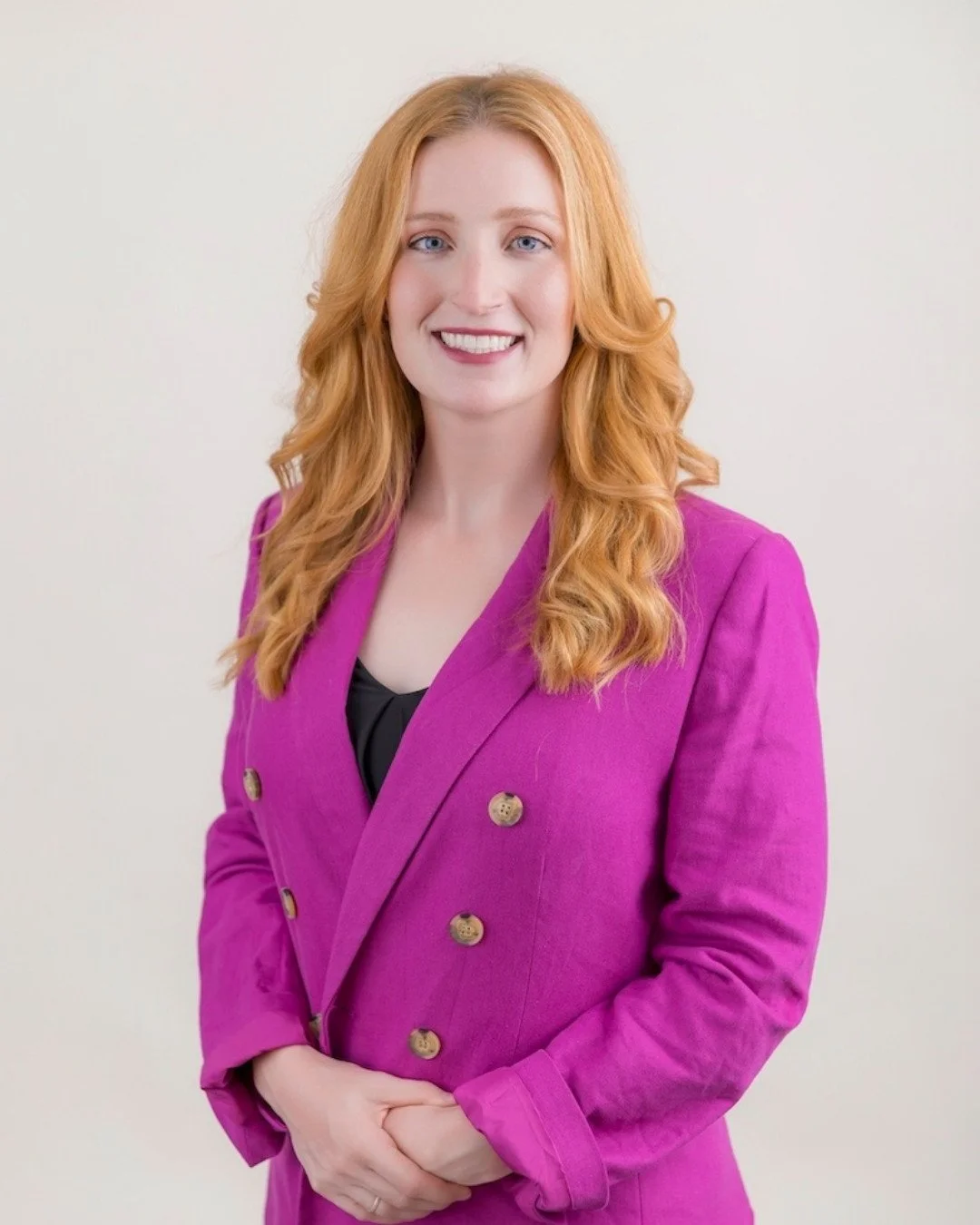
Dr. Ariel Brooks explains how longer visits and relationship-based care improve outcomes and transform the patient experience.
Last updated November 2025
If you’ve ever walked out of a medical appointment feeling unheard or uncertain, you’re not alone. In most traditional healthcare settings, primary care doctors are under immense pressure to see dozens of patients each day. The average appointment lasts just 15 minutes, barely enough time to discuss a single issue, let alone the bigger picture of your health.
It’s no wonder so many people leave with unanswered questions, rushed prescriptions, or lingering worries that something was missed. What’s often missing isn’t technology or expertise, it’s time.
At Asklia Concierge & Metabolic Medicine in Cave Spring, VA, Dr. Ariel Brooks has reimagined what medical care can look like when time is restored to the center of the doctor-patient relationship. By keeping her patient panel small and focusing on longer visits, she provides care that is truly personal, precise, and proactive.
And research supports what her patients already know: when doctors have more time to listen, health outcomes improve.
Why the Traditional Model Feels So Rushed
In most traditional practices, physicians typically manage between 2,000 and 3,000 patients. To keep up with demand and insurance requirements, appointments are short and narrowly focused on treating immediate symptoms.
That model often leaves little room for discussion, prevention, or deeper problem-solving. A 2019 study in the Journal of General Internal Medicine found that primary care physicians spend an average of less than 20 minutes with patients and often less than one minute reviewing lab results. For people with complex or chronic concerns, that’s simply not enough.
The result is a system that prioritizes efficiency over connection. Patients may feel unheard, rushed, or reduced to a checklist of symptoms. And physicians, despite their best intentions, often spend much of their time on documentation rather than engaging in conversation.
Dr. Brooks saw those limitations firsthand during her years in traditional practice. That experience inspired her to create Asklia Concierge & Metabolic Medicine, where each appointment is designed for depth, not speed.
How Time Transforms Care
Time is the most powerful diagnostic tool a doctor has. It allows for curiosity, collaboration, and context; the three elements that make truly effective care possible.
Here’s how longer visits and continuous access to your physician lead to better outcomes:
1. You tell your whole story.
Symptoms don’t exist in isolation. They’re part of a larger narrative that includes your history, habits, stress, nutrition, and environment. In longer appointments, you have the space to explain how you feel and what has changed over time. That context helps your physician see patterns that short visits often miss.
2. Your doctor can listen—and think.
Listening is the foundation of good medicine. When your physician isn’t racing against the clock, they can ask thoughtful questions, consider multiple causes, and review your test results in detail. This leads to more accurate diagnoses and more personalized treatment plans.
3. You can focus on prevention, not just reaction.
Traditional visits often center on what’s wrong today. At Asklia, Dr. Brooks spends time identifying early risk markers for future disease—whether that’s insulin resistance, thyroid changes, or hormone imbalances—and developing strategies to correct them before they become major issues.
4. Follow-up becomes proactive, not reactive.
Ongoing access means small adjustments can be made quickly rather than waiting months for the next appointment. This consistent feedback loop supports better long-term results and greater accountability.
5. Trust deepens.
When patients feel known and supported, they’re more likely to follow through on care plans, ask questions, and share sensitive information. That trust builds a strong foundation for health decisions that align with your goals and values.
The Evidence Behind Relationship-Based Care
Studies consistently show that longer, relationship-centered visits lead to improved outcomes.
A review in The BMJ found that patients who have continuity with one doctor experience lower mortality rates and fewer hospitalizations.
Research from the Annals of Family Medicine found that physicians who spend more time with patients achieve better control of chronic conditions such as diabetes and hypertension.
Patients who report feeling heard and involved in their care are more likely to adhere to their medications, maintain lifestyle changes, and experience higher overall satisfaction with their health.
These findings affirm what physicians like Dr. Brooks already practice: when healthcare is unhurried and personalized, it becomes both more human and more effective.
What This Looks Like at Asklia
At Asklia Concierge & Metabolic Medicine, appointments are measured in minutes that count, not minutes that vanish. Dr. Brooks offers visits lasting 45 to 60 minutes or more, allowing her to thoroughly explore your concerns and questions.
Every new patient undergoes a comprehensive health assessment that includes advanced metabolic testing, hormone evaluation, and an in-depth discussion of goals, lifestyle, and medical history. The goal isn’t to check boxes; it’s to understand you as a whole person.
Between visits, members have direct access to Dr. Brooks by text, phone, or secure messaging. If a new concern arises, you don’t have to wait weeks for answers. This accessibility ensures timely guidance, better adherence to care plans, and peace of mind.
By limiting the number of patients she sees, Dr. Brooks can deliver the kind of thoughtful, individualized care that drew her to medicine in the first place.
A Real Difference in Real Lives
Consider two women, both in their late forties, experiencing fatigue and weight gain.
In a traditional setting, each might get a brief visit, standard lab work, and generic advice to “eat better and exercise more.” But at Asklia, Dr. Brooks has the time to go deeper, ordering comprehensive metabolic testing, exploring sleep patterns, evaluating hormone shifts, and reviewing stress levels and nutrition.
That deeper evaluation often reveals hidden contributors, such as insulin resistance, thyroid dysfunction, or perimenopausal hormone changes. With time to discuss each factor and create a personalized plan, patients not only see improvement but also understand why their bodies were struggling in the first place.
This is what longer visits make possible: clarity, connection, and change that lasts.
Redefining What Care Should Feel Like
Medicine should never feel rushed or transactional. It should feel like a partnership built on trust, curiosity, and shared goals.
At Asklia Concierge & Metabolic Medicine, Dr. Ariel Brooks has created a space where medicine moves at the speed of real conversation. Her model of extended visits, direct access, and ongoing follow-up allows her to practice the kind of medicine that changes lives, not just lab results.
For residents of Cave Spring and the greater Roanoke area, this means having a physician who listens, thinks deeply, and walks beside you every step of the way.
If you’re ready to experience what healthcare feels like when time is on your side, visit askliamedicine.com or call 540-410-9275 to schedule a consultation.
Better health starts with better conversations, and those take time worth taking.